


By Rick VanSickle
The County Cider Company is for sale and the sad reality is that a game-changing chapter in the modern-day cider revolution in Ontario will end with it.
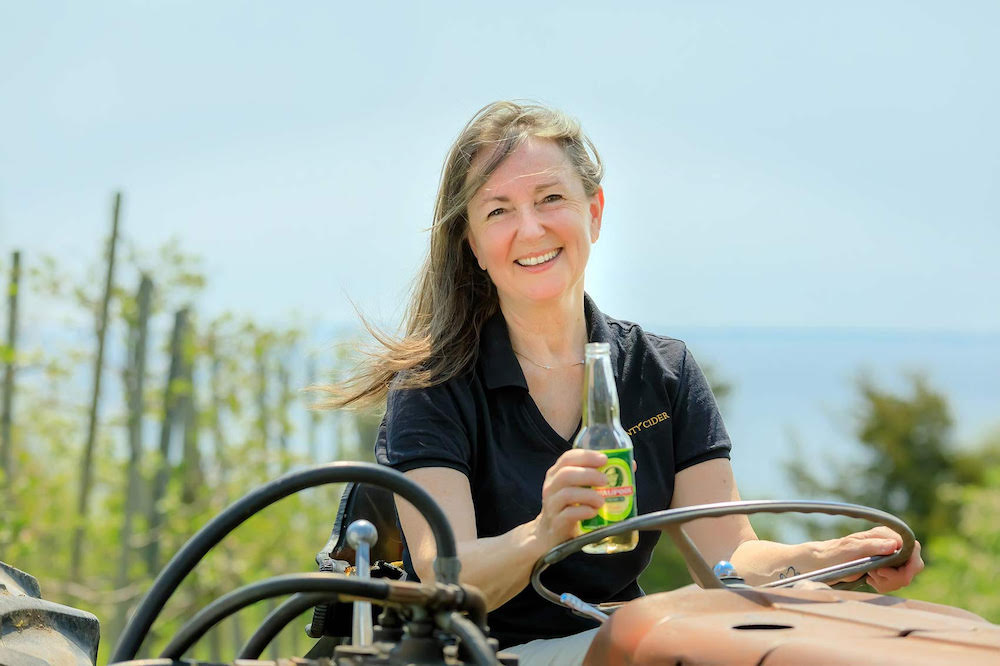
County Cider owner Jenifer Dean (below) told Wines in Niagara that “I have spent 26 years working at this, the last nine years on my own, and I would like to do some travelling and spend more time with my family.”


Note: Full Q&A with Jenifer Dean later in this post.
Dean’s husband, Grant Howes, whose family has been growing apples in Prince Edward County since 1850, died suddenly in January of 2017 at the young age of 60, leaving Dean to run the successful business on her own. Dean joined County Cider in 2000 to help craft both ciders and wines alongside Grant.
Howse was legendary in the cider business, his story well known on how he quit his white-collar job in B.C. to help with the family apple orchard in Prince Edward County and saw an opportunity to reinvigorate the long-forgotten craft cider business in Ontario.


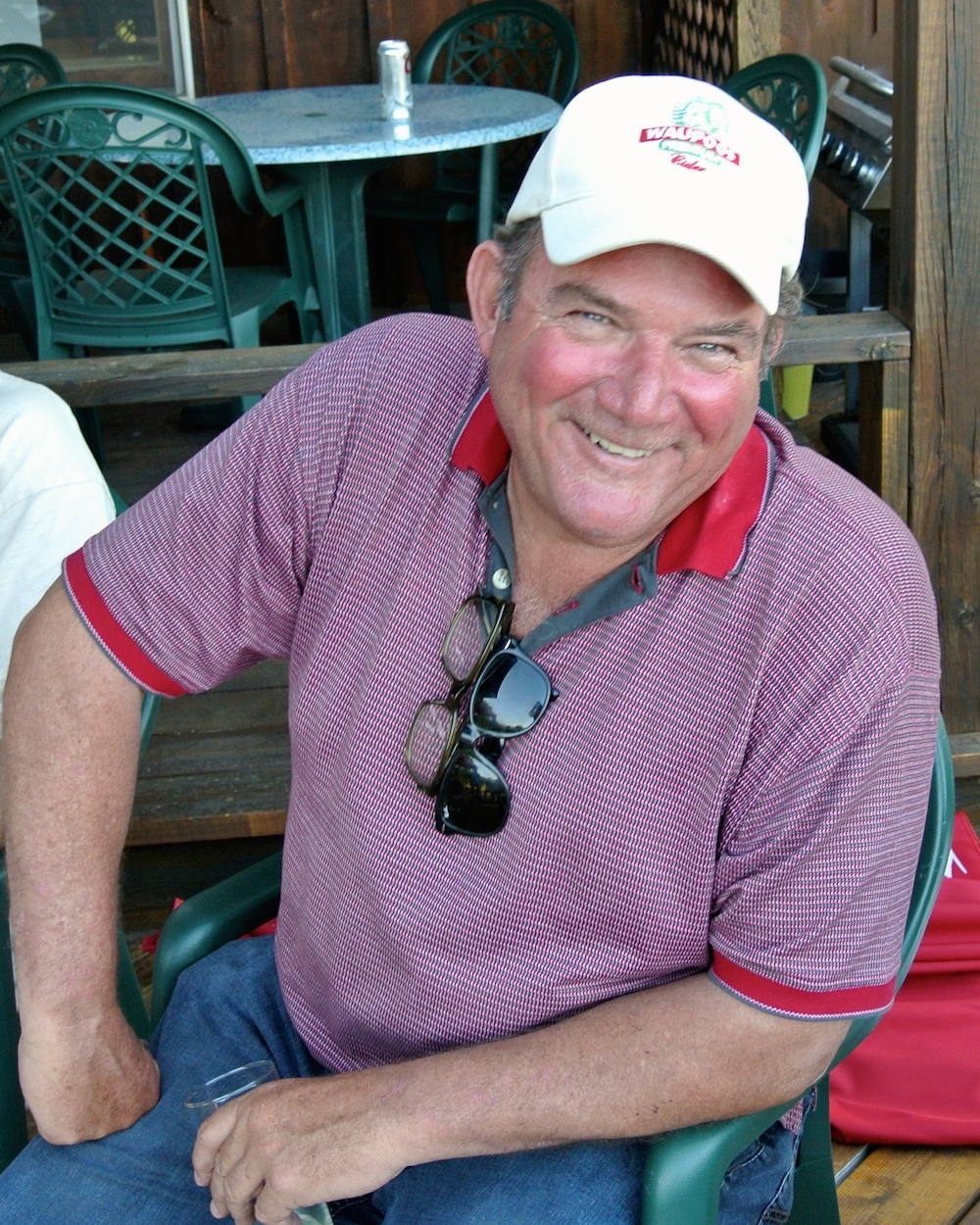
Chris Haworth, owner of the successful West Avenue Cider House in Freelton, Ont., previously told Wines in Niagara that “Grant (above) was affectionately known as the grandfather of Cider in Ontario. He was making cider long before any of us. When I started my own cider journey with West Avenue — it was Grant who I turned to for advice. He gave his advice freely and passionately. He was my mentor, and along the way he became my friend. He had a real passion and fighting spirit to lead cider in Ontario in the direction it deserves. When he talked — people listened, and no matter how tough his lesson. He always taught it with a twinkle in his eye. He had a big personality but a bigger heart. A true legend.”
Howes took the family orchards from “an apple farm with a cidery to a cidery with an apple farm in 2001,” though the family had been making small amounts of cider since 1995. The move from high finance in downtown Vancouver, where he lived prior to moving to Prince Edward County, to full-time farmer in Waupoos was “quite a lifestyle change” but one that was starting to pay dividends for Howes, he told me in an interview a few years ago.
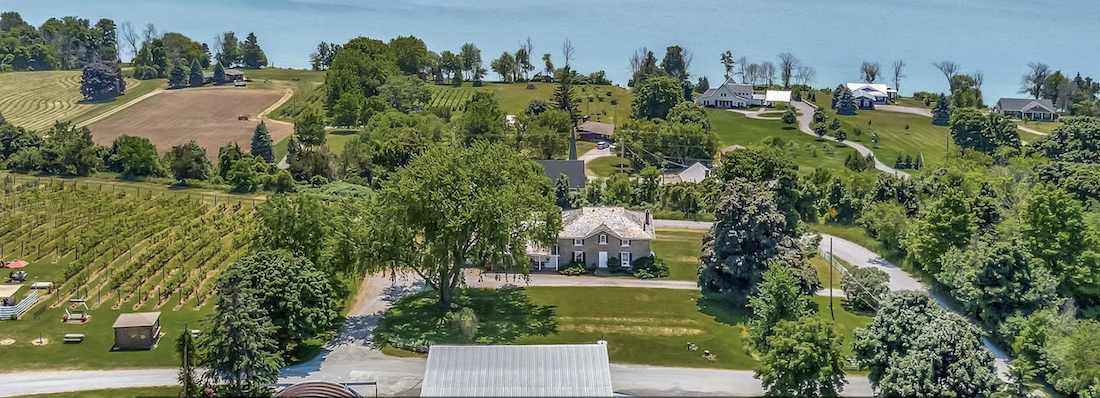
Dean currently resides in the 1832 Conrad David House, an area landmark in Prince Edward County, which is an excellent example of Regency Cottage architecture. Next door, the property’s picturesque 1832 renovated stone pig barn houses the cidery’s tasting room and retail store along with a patio lunch program that features freshly made pizza from an outdoor stone pizza oven which pairs brilliantly with any number of the ciders available for purchase.
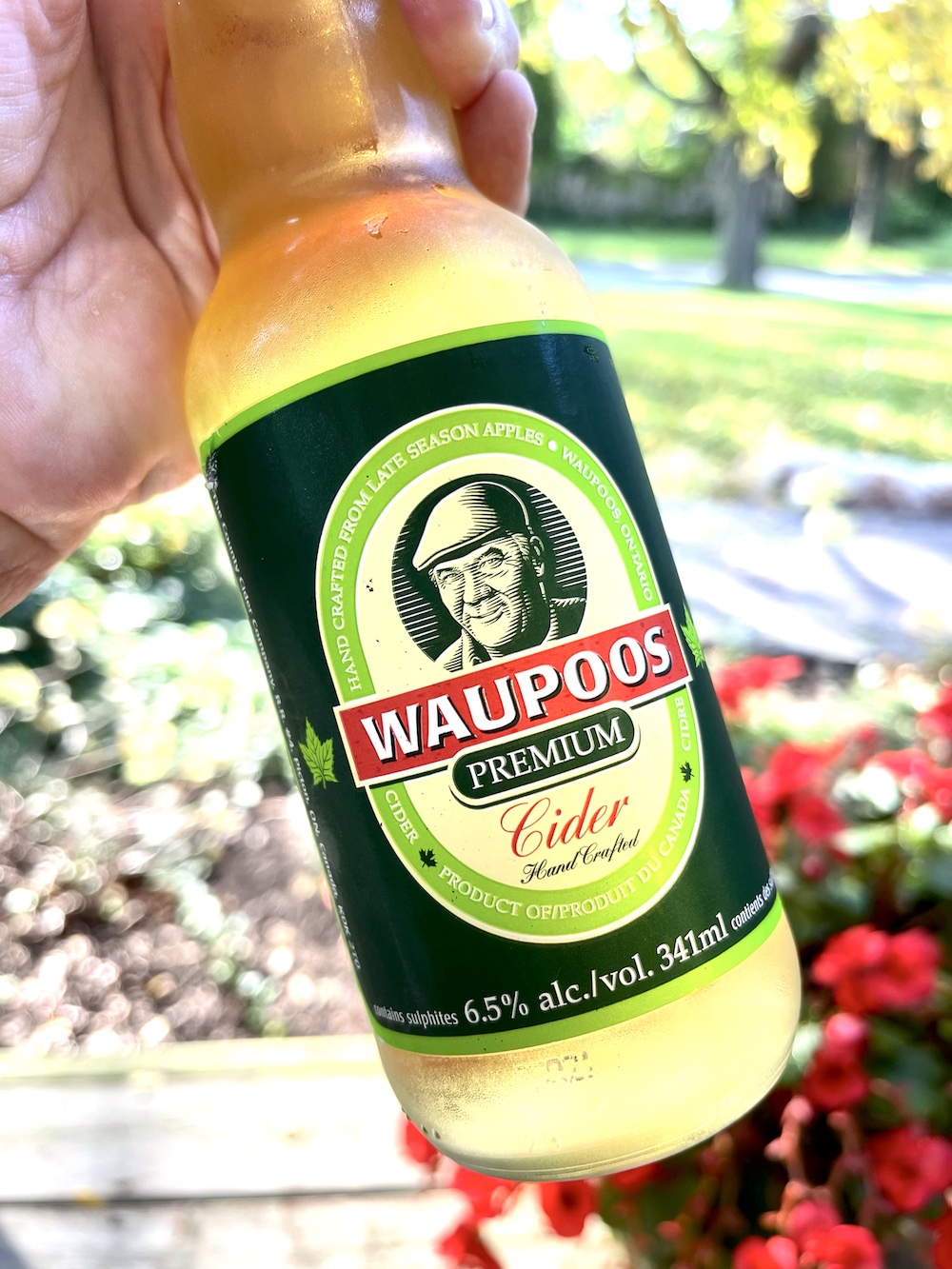
After Howes died, Dean was able to take the business to new heights, broadening the portfolio and making the County Cider Company a popular destination for both tourists and locals alike.
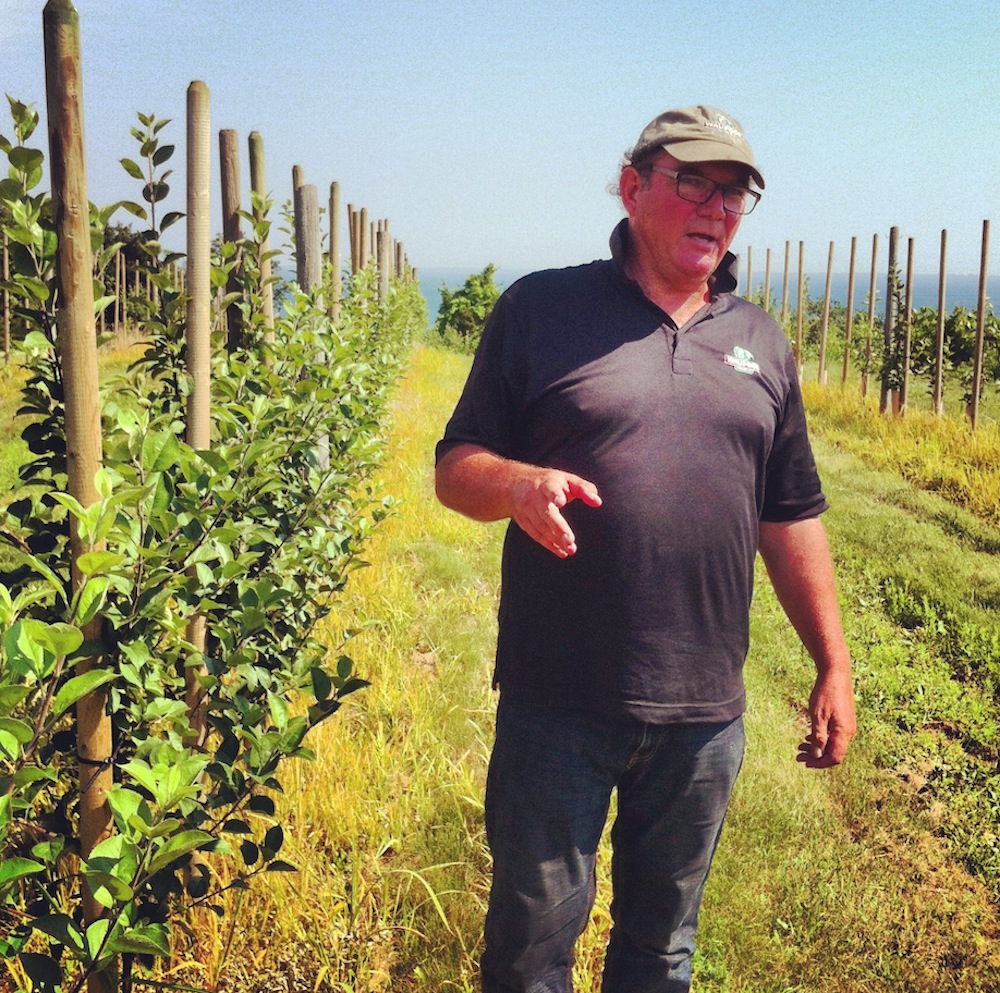
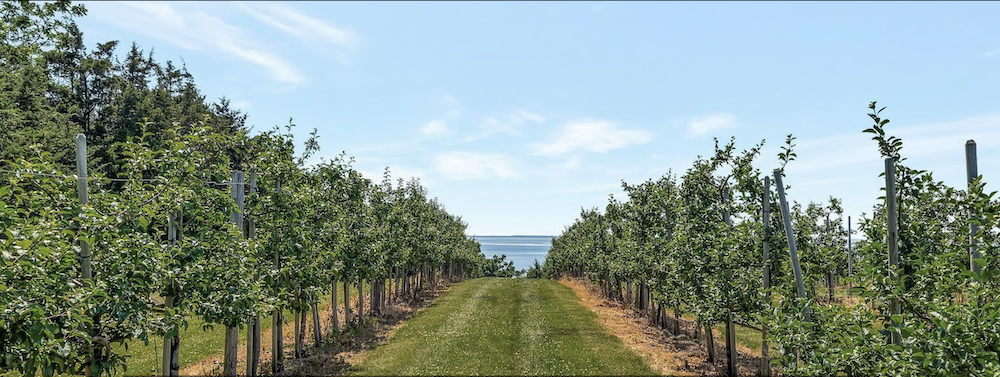
Over 20 varieties of apples are grown at the farm at two different orchards, which comprise 60+ acres of apple trees (approximately 15,000 trees). The orchards produce roughly 1,600 tonnes of apples each year. Among the varieties grown to create their ciders are Bulmer’s Norman, Ida Red, Russets, Northern Spy, Yarlington Mill, Dabinett, Michelin and Tremlett’s Bitter.
County Cider has always had one of the most diverse portfolios of most cideries in Ontario. Aside from the flagship brand, the County Cider, there’s the semi-sweet and sparkling Waupoos Cider, the Prince Edward County Ice Cider, made from apples frozen on the tree, the Sweet Sparkling Cider, a large collection of the popular flavoured ciders and one of the best ciders I have ever tasted, the Tortured Path Cider, an organic cider made from 50% bittersweet apples and sweeter golden Russet apples that is high in tannin and built more like a red wine.
While Dean did the heavy lifting working on the portfolio and building the hospitality side of the business, Howes was a tireless crusader against the red tape that has dogged the industry since it re-started in Ontario. He railed against distribution issues for cider makers, high taxes, and shelf exposure at the LCBO for Ontario-made ciders. Cider doesn’t get the same love that VQA wines get, he would tell anyone who listened.

Howes was also a founding member of Fruit Wines of Ontario, and the Prince Edward County Winegrowers Association, and has collected many awards for his contributions to the cider and agriculture industries. He was also one of six people inducted into the Ontario Agricultural Hall of Fame in June of last year.
In nominating Howes posthumously for the hall of fame honour, Dean said Howes “was a visionary leader in apple growing and specifically cider production, pioneering innovative practices and technologies in developing cider orchards that enhanced productivity and sustainability within the industry.”
She added that he was a “vocal advocate for Ontario apple growing at the local and provincial levels. As the craft cider sector grew in Ontario, he was a mentor to many — always willing to share ideas and work with new cideries. His initiatives also helped Ontario cider apple farmers adopt more environmentally friendly farming techniques. His commitment to collaboration was also a driver for the establishment of the Ontario Craft Cider Association of which he was a founding member.”
It is Dean’s hope that the new buyer will “uphold the incredibly valuable name” of the County Cider Company.
The listing for County Cider Company

The County Cider Company, located at 657 Bongards Crossroad, Waupoos, is on the market for $2.5 million. It’s described as “a rare opportunity to own a thriving cidermaking estate in one of Ontario’s most picturesque and sought-after regions. Established over 25 years ago, this 60+ acre orchard estate is home to some of the finest heritage apple trees in Canada and offers a turnkey business with multiple revenue streams, breathtaking views of Prince Edward Bay, and an established reputation in the craft beverage industry.”
Property Highlights — 60+ acres of scenic orchard land producing premium cider apples, including heritage varieties carefully cultivated for craft cider production with breathtaking water views;
Charming farmhouse – A beautifully restored residence that blends historic charm with modern comforts, perfect for an owner’s retreat or additional guest accommodations. The farmhouse is a historic yet modernized 4,000 square foot home with heritage dating back to the 1830s and provides a serene retreat, ideal for an owners residence, guest accommodations, or a hospitality venture;

Acclaimed Cider House Restaurant – A popular seasonal destination known for its farm-to-table cuisine, drawing thousands of visitors annually to enjoy exceptional food, handcrafted cider, and stunning waterfront views;
Tasting room and retail store – A welcoming space where visitors experience cider flights, exclusive small-batch releases, and direct-to-consumer sales, enhancing brand engagement and revenue;
Award-winning cider business – County Cider is a recognized leader in Ontario’s craft cider industry, with a loyal customer base, well-established wholesale distribution, and untapped growth potential.

Questions and Answers with Jenifer Dean
Wines in Niagara reached out to Dean (below) with some questions after hearing about County Cider being put up for sale. These are her answers.

Wines in Niagara: I would say The County Cider Company has been on an incredible ride as Ontario’s most important and historic cidery. You and Grant put craft cider on the map in Ontario and created an industry where there wasn’t one before. You must be very proud of what you created. What was it like in those early years?
Jenifer Dean: Grant’s interest in making cider started in the early 1990s and grew into an obsessive passion over the next couple of decades. He sought out heritage and cider specific apples to grow in the family orchard, enhancing the commercial apples they were already growing. Every cider he made was a search for the perfect blend; a balance of sweetness, tannin and acidity, a taste to refresh the palate and leave you wanting more.
County Cider was the first licensed estate winery in Prince Edward County, acquiring a manufacturing license in 1995. At that time agri-tourism was in its infancy. I came on board in 2000 to help craft both ciders and wines alongside Grant. Within a couple of years, I also took on running the tasting room and opening the patio restaurant. The two of us worked long hours, planting new trees, harvesting, and pressing in miserable cold, rainy weather, then fermenting, filtering, and bottling or kegging.
Grant would go on the road across the province to get bars and restaurants to put his cider on tap, and then his father, William Howes, would do the deliveries in his Odyssey which we had kitted out so it could hold 6-7 kegs. When we outgrew that we used Grant’s truck which could hold 20 kegs for trips to Toronto or Ottawa and when we outgrew the capacity to bottle enough Waupoos draft cider at our own facility we sourced it out to Great Lakes Brewery in Etobicoke.
We would deliver thousand litre totes of cider and bring back skids of bottled product, also in the back of that half ton. Some of those drives were an adventure all their own! Waupoos is not on a main drag, nor was it even on the way to any other destination; it became a destination. Starting the patio restaurant gave us the ability to entertain guests and educate them about cider. We knew that when they were in a bar or an LCBO, they would be able to recognize our product and remember the visceral good feeling of having been to our farm and they would buy it again.
WIN: What was the vision in those early years of the County Cider Company? You were an island and really on your own in creating a craft cider industry, or at least a model to follow. What were some of the milestones and some of hurdles along the way?
Dean: County Cider was not the first Ontario cidery, but we became the only one for a short while. We quickly got into the LCBO in 1997 and have been there ever since. Keg sales to bars and restaurants followed in 1998 with Waupoos Draught Cider, our most well-known product.
We soon followed with Peach and Feral ciders, and we have not stopped expanding our portfolio of flavours since. The challenges back then, as Grant quickly learned, were dealing with the onerous taxes on cider as it was treated like an imported wine. No matter the government in power Grant would lobby the politicians for fairer taxation and recognition of cider as its own beverage alcohol category.
Grant mentored several other cidery businesses into being — Pommies, West Avenue and Spirit Tree cideries became friends and we all moved forward in 2015 to create the Ontario Craft Cider Association. A couple of months after Grant died in 2017 the Small Cidery and Distillery Rebate Program was announced, in large part due to the efforts of Grant and the OCCA. Along with this measure of success more cider companies began to open in Ontario which meant more competition.
Soon wineries and breweries also started jumping on the band wagon and began to make cider to diversify their portfolios. The rise in popularity of cider as a widely drunk alcoholic beverage hit its stride in about 2019. Now, many LCBO stores have dedicated sections just for Ontario Craft Cider.

WIN: Your husband and partner, Grant, sadly and tragically died so young at 60 years of age in January of 2017. You chose to continue and build the business better than it was through hard work and determination. What drove you in those days following Grant’s death, and did you achieve the success you envisioned?
Dean: I knew I had to keep moving forward with the business as we had employees who depended on it for their livelihood. My operations manager, Dannielle Davidson, and I pulled up our bootstraps and set to work. We bought new equipment to upgrade our production facility, expanded the restaurant and retail store at the farm, and looked after the orchards. Having to pivot through the COVID years was unexpected and tough and since then costs have gone through the roof leading us to cut back and try to stay profitable. The challenge we face now, in fact all of beverage alcohol faces, is the trend towards low and no-alcohol beverages and a declining boomer population who basically propped up alcohol sales for the past few decades. Times are changing and we need to change with them. We are now looking at expanding our co-packing capabilities and product line to include more low or non-alcoholic beverages.

WIN: What is your motivation for selling the historic home and property?
Dean: I would like to see the County Cider Company continue in the right hands. I am putting it on the market now as I understand it could take time to find the right person to move the company forward. I have spent 26 years working at this, the last nine years on my own, and I would like to do some travelling and spend more time with my family.
WIN: Are you hoping the new owners will uphold the incredibly valuable name of the winery and the standards you have set for cidermaking?
Dean: The hope is for the right person to see the vision as well as the possibilities for the farm and the production facility.
Note to a friend

On a personal note, I went to high school, Etobicoke Collegiate, in the Kingsway area of Toronto with Grant and his brother Bill, who also died at a young age. I have such fond memories of sitting in the basement of his parent’s house on Saturday nights with 2-4s at our feet watching Hockey Night in Canada on a fuzzy black and white TV. Yes, we got into a little trouble as teenagers, but didn’t we all?
We went our separate ways after high school — Grant to university and a career in finance in both Toronto and B.C., and me to the Yukon and a career in journalism — but re-connected when he moved to Prince Edward County to transform the family business from an apple orchard into a full blown estate cidery while I was just starting to cover the cider industry for freelance magazine stories and this website.
We made sure we saw each other a few times every year, either for cider “business” or to have a bit of fun with our other high school buddies, 16 of them, at our annual golf weekend. Well, actually two of them — one on the Father’s Day weekend in Collingwood, the other in late September in Muskoka. Boys will be boys.
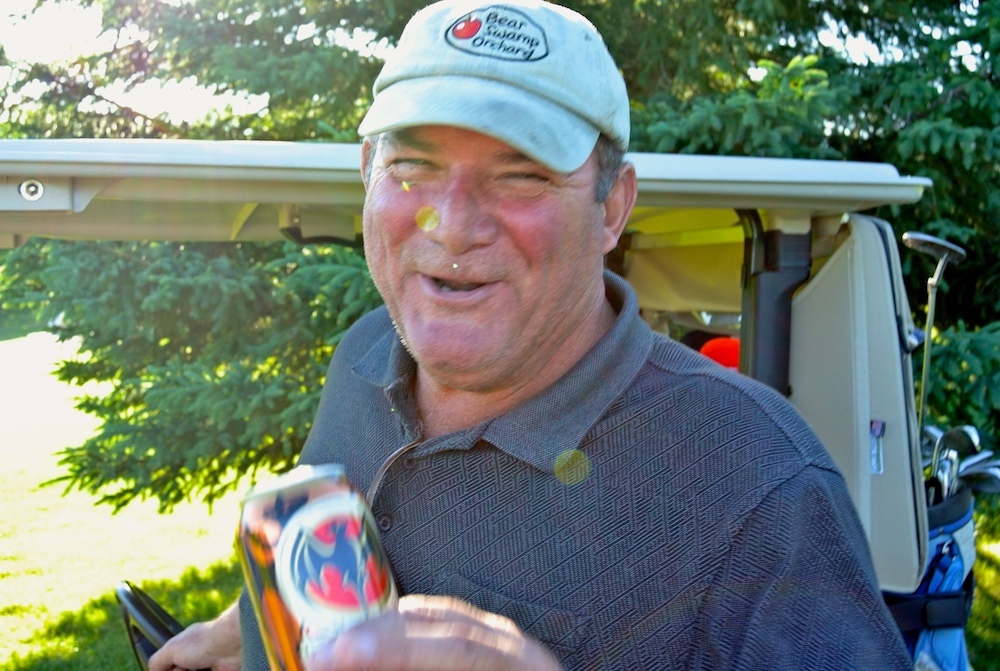
The last time I saw Grant was at a school reunion of sorts with friends at a bar close to our old watering hole we affectionately called the “I” (Islington House) that was located near Etobicoke Collegiate and frequented far too often in our youth. It was in December of 2016.
Grant and Jenifer drove from PEC to be there, I drove from St. Catharines, and we all stayed at the Old Mill hotel in our old stomping grounds and had a blast. He died without warning at home in Waupoos a month later at the age of 60, leaving us all in shock.
Grant’s legacy and impact on the Ontario Cider Industry will live on forever. And when Jenifer gets the offer she deserves on her heritage home and trail blazing cidery, she will be firmly entrenched in that legacy as big part of the dynamic duo who brought their dreams to fruition and in the process laid the groundwork for all Ontario cideries to follow in their giant-sized footsteps. Now, that’s something to be proud of.
Comment here